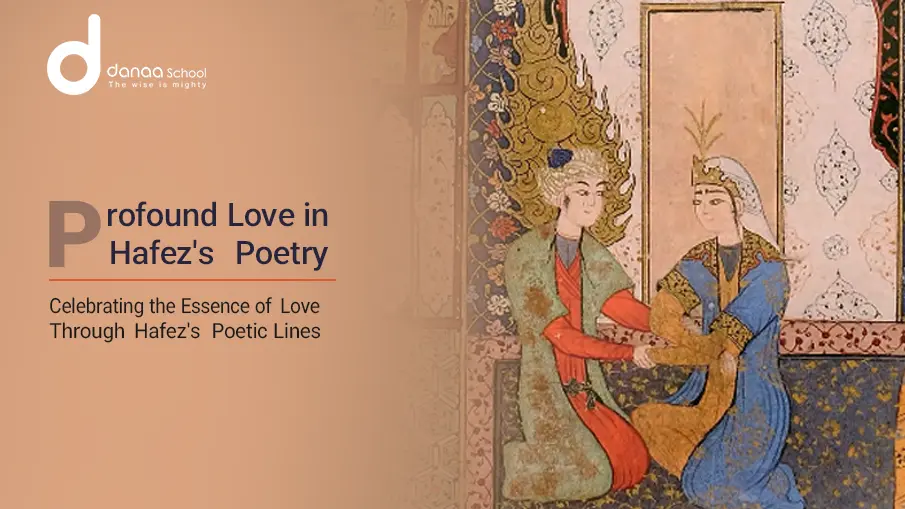
Hafez poems in English are a great starting point for readers who want to explore Persian poetry through short, meaningful verses. One of the most celebrated voices in this tradition is Hafez, whose Divan reflects love, mysticism, and the human experience. Below are 8 selected poems from the Divan of Hafez English translation, each followed by a brief theme note to clarify symbolism and meaning.
1. The Cup of Wine
With a cup of wine in my hand, I delight in my own soul,
For I have found the jewel hidden in the heart of the rose.
The tavern’s flame brightens the dark night of my spirit,
And the ruby wine is the light that guides me through life.
Theme: Wine and the tavern symbolize inner awakening and spiritual joy. The “jewel” suggests self-discovery and truth—one of Hafez’s signature ways of blending mysticism with worldly imagery.
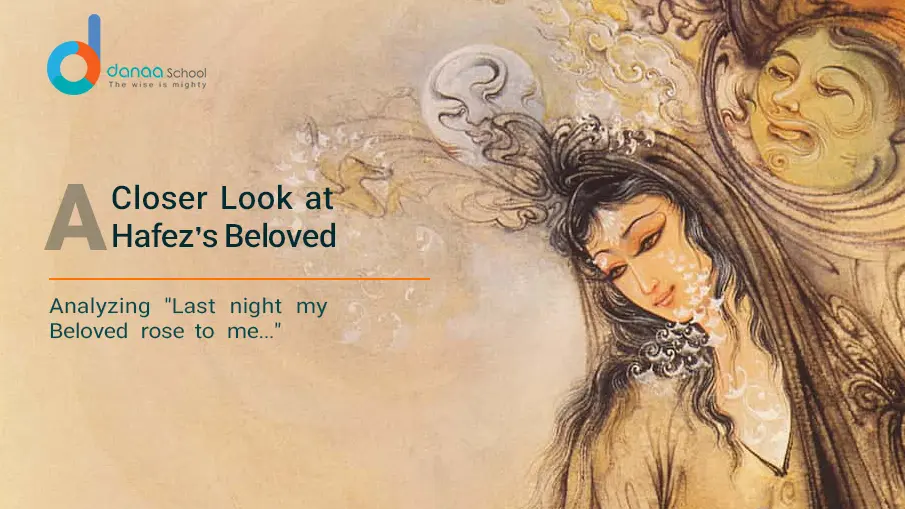
2. The Beloved’s Beauty
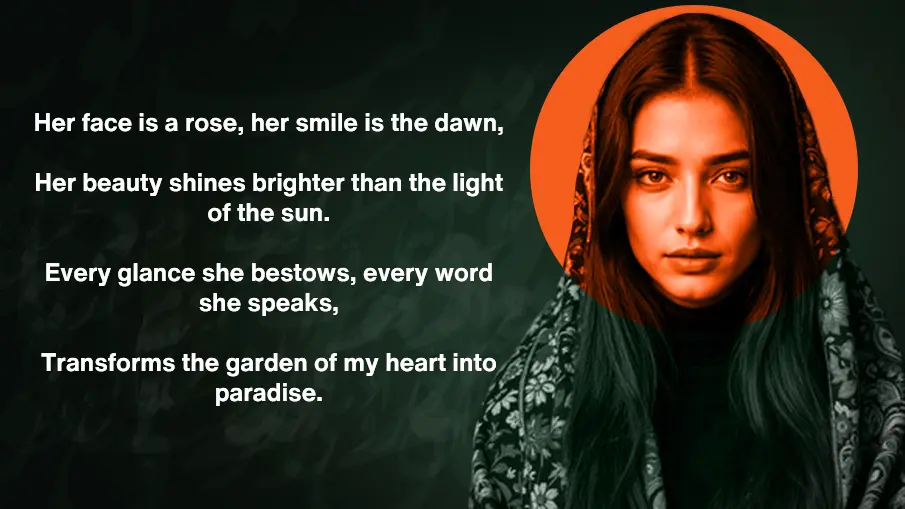
Her face is a rose, her smile is the dawn,
Her beauty shines brighter than the light of the sun.
Every glance she bestows, every word she speaks,
Transforms the garden of my heart into paradise.
Theme: The beloved’s beauty becomes a bridge between earthly love and spiritual love—an essential Hafez motif where “beauty” points beyond itself.
3. The Path of Love
On the path of love, there are no boundaries or borders,
Every heart must travel the same weary road.
But with every step, the burden grows lighter,
For love is the light that guides us home.
Theme: Love is framed as a journey that transforms the traveler. Difficulty and devotion coexist—yet love ultimately becomes guidance and return.
4. The Morning Breeze
The morning breeze whispers secrets of the dawn,
The garden blossoms, kissed by the dew’s embrace.
O friend, wake up and drink the nectar of life,
For the flowers fade as swiftly as the night’s shadow.
Theme: A reminder of impermanence: morning, dew, blossoms—images that urge presence, gratitude, and living fully before moments pass.
5. The Tavern’s Door
At the tavern’s door, the world’s troubles melt away,
The wine of truth flows freely, intoxicating the soul.
Seek not the path of righteousness or sin,
But follow the heart’s desire and find your way.
Theme: The tavern is Hafez’s metaphor for freedom and truth. He challenges rigid moral categories and points readers toward sincerity and inner direction.
6. The Nightingale’s Song
In the quiet of the night, the nightingale sings,
Its melody a lament for the lost rose.
O seeker, listen and learn from its sorrow,
For the heart that loves deeply knows true pain.
Theme: The nightingale and rose evoke longing and devotion. The poem holds the paradox of love: beauty and ache, joy and vulnerability.
7. The Desert’s Mystery
In the vast desert, the mirage dances,
The oasis a dream in the traveler’s eye.
But amidst the sand and sun’s harsh glare,
The true treasure lies hidden in the heart.
Theme: Mirage and oasis represent illusion and desire. The “treasure” shifts the focus inward: meaning is found through self-knowledge and perseverance.
8. The Rose Garden
In the rose garden, every petal tells a story,
Each bloom a testament to life’s fleeting grace.
O gardener of the soul, tend to your blossoms,
For the fragrance of love is the sweetest reward.
Theme: The rose garden becomes the soul: each blossom is a moment to cultivate. The poem ties beauty to care, attention, and the passing nature of time.
If you enjoyed these Hafez poems in English, you may also want to explore more background on Hafez’s life, themes, and symbolism in our complete guide to Hafez.
Find Your Perfect Teacher
At Danaa School, you can find your Persian Poetry Tutor from all qualified and experienced teachers.
Now experience the excellent language and poetry journey.