Interesting Facts About the Persian Language (Farsi)
Persian (Farsi) is one of the oldest living languages in the world and remains a vital part of cultural life across Iran, Afghanistan, and Tajikistan. With a history spanning more than 2,500 years, the Persian language connects modern speakers to ancient civilizations, timeless poetry, and a rich intellectual tradition.
In this article, we explore fascinating facts about the Persian language, its history, structure, and cultural importance, while also showing how learning Farsi can open doors to deeper cultural understanding.
Facts About the Persian Language
Persian is more than just a means of communication—it is a window into one of the world’s oldest civilizations. From royal inscriptions and epic poetry to modern novels and films, the Persian language has preserved centuries of thought, art, and philosophy.
Today, Persian continues to evolve while maintaining remarkable continuity with its past, making it unique among world languages.
History of the Persian Language
The Persian language belongs to the Indo-Iranian branch of the Indo-European language family. Its development is traditionally divided into three major stages: Old Persian, Middle Persian, and Modern Persian.
Old Persian was used during the Achaemenid Empire (550–330 BCE) and is preserved in monumental inscriptions such as those of Darius the Great. Middle Persian, also known as Pahlavi, was the administrative and literary language of the Sassanian Empire (224–651 CE).
Modern Persian emerged after the Islamic conquest of Persia and gradually developed into the language spoken today. Despite historical changes, modern speakers can still recognize elements of ancient Persian in vocabulary and structure.
Why Is It Called Farsi?
The terms Persian and Farsi refer to the same language. “Farsi” is the name used by native speakers and comes from the region of Fars in southwestern Iran, where the language originated.
In English, the language is officially called Persian, while “Farsi” is commonly used in everyday conversation, especially among Persian-speaking communities abroad.
The Persian Script
The Persian alphabet is written from right to left and is based on the Arabic script, with four additional letters. In total, it consists of 32 characters.
Persian calligraphy is considered an art form, admired for its elegance and fluidity. In Tajikistan, however, Persian (Tajik) is written using the Cyrillic alphabet, reflecting historical and political influences.
Influence on Other Languages
Throughout history, Persian has had a profound influence on neighboring languages. Urdu, Hindi, Turkish, and several Central Asian languages contain hundreds of Persian loanwords.
This influence expanded through the Persian Empire and later through Persian-speaking courts, particularly during the Mughal Empire, where Persian served as the official language for centuries.
Persian Poetry: The Soul of the Language
Persian is often called the “language of poetry.” Legendary poets such as Rumi, Hafez, and Ferdowsi created works that remain influential worldwide.
Persian poetry explores themes of love, spirituality, destiny, and human existence. Even today, poetry plays an essential role in everyday Persian life, from greetings to celebrations.
Major Persian Dialects
Persian is spoken in three main dialects: Iranian Persian (Farsi), Dari Persian in Afghanistan, and Tajik Persian in Tajikistan. These dialects are largely mutually intelligible but differ in pronunciation, vocabulary, and writing systems.
Despite these differences, all three share the same grammatical foundation and literary heritage.
Persian Grammar: Simple Yet Expressive
One appealing aspect of Persian grammar is its lack of grammatical gender, making it easier for learners. However, Persian verbs are highly expressive and convey subtle meanings through tense and mood.
This balance of simplicity and depth makes Persian both accessible and intellectually rewarding to learn.
Learn Persian Online with Danaa School
Learning Persian becomes even more meaningful when combined with cultural understanding. Danaa School offers structured online Farsi courses for all levels, from complete beginners to advanced learners interested in Persian literature and history.
With expert instructors, interactive lessons, and cultural context, Danaa School helps students not only speak Persian but truly connect with the language and its heritage.
Find Your Ideal Teacher
At Danaa School, you can choose your Farsi tutor from a selection of qualified and experienced teachers. Begin an exceptional journey into the world of Persian language!
Book Your Trial Lesson

Modern Persian in Media and Pop Culture
In recent years, the Persian language has appeared in global pop culture and media, from the influence of Iranian cinema to the works of contemporary Persian poets who have been translated into many languages. Persian music, especially the classical form known as Radif, as well as modern genres, have also gained international recognition.
Persian vs. Arabic: Common Misconceptions
Due to the shared script and some loanwords, many people mistakenly believe that Persian and Arabic are closely related. However, they belong to different language families, with Persian being an Indo-European language and Arabic being Semitic. While the two languages share cultural and historical ties, their grammar, vocabulary, and pronunciation fundamentally differ.
The Role of Persian in Diplomacy and Trade
Historically, Persian was the lingua franca of much of Central Asia and the Indian subcontinent, used in diplomacy, administration, and trade. Even today, it is an important language for understanding the geopolitics of the Middle East, particularly in Iran, Afghanistan, and Tajikistan.
Knowing Persian opens doors to understanding these regions’ cultures, histories, and international relations.
Persian in the Digital Age
With the rise of the internet, Persian has become more visible in the digital space. Platforms like Instagram and Twitter have large Persian-speaking communities, and many websites offer content in Persian. The language has adapted well to the digital age, with new terms being coined for technology, science, and pop culture.
Persian Proverbs: Wisdom in Words
Persian is rich in proverbs and idiomatic expressions that reflect the culture’s deep appreciation for wisdom and wit. For example, “A guest is God’s friend” reflects the traditional value of hospitality in Persian culture. Learning these phrases enhances your language skills and gives you insight into the cultural values of Persian-speaking communities.
Unique Sounds in the Persian Language
While Persian shares many sounds with other Indo-European languages, it also contains unique phonemes that can be tricky for new learners. For instance, the guttural “q” sound or the soft, almost whispered “h” are features that learners often find challenging.
However, these sounds become second nature with practice, and Danaa School provides the perfect environment to master them.
The Importance of Context in Persian Language
Context plays a crucial role in Persian, especially when interpreting words with multiple meanings. For instance, the word “shir” can mean “lion,” “milk,” or “tap” depending on its usage in a sentence. This linguistic flexibility reflects the depth and richness of the Persian language, which Danaa School’s instructors skillfully teach through practical exercises.
Learning Persian: A Gateway to Persian Culture
By learning Persian, you gain access to a wealth of cultural knowledge, from the nuances of Persian cuisine to the intricate art of Persian carpet-making. Understanding the language allows you to experience Persian culture on a deeper level, whether through appreciating the subtleties of poetry or understanding the customs that define Persian hospitality.
Persian Language and Identity
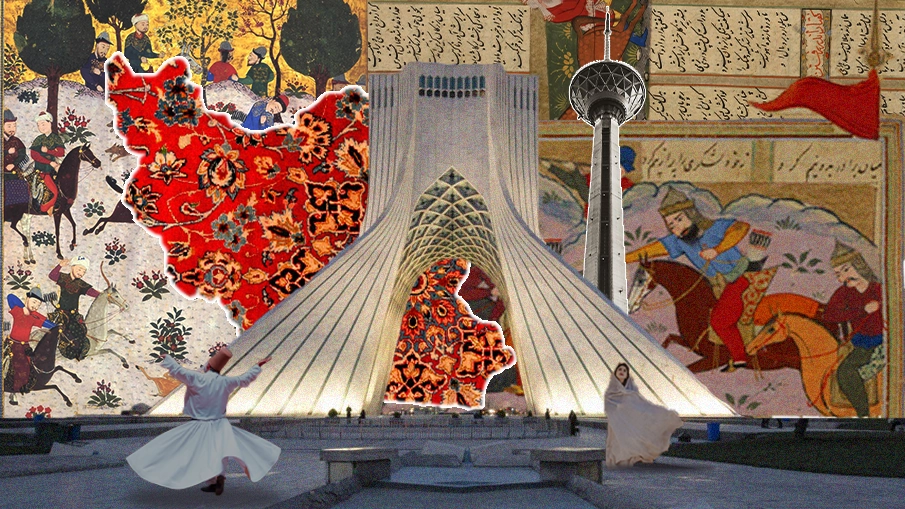
Many Persian speakers‘ language is deeply intertwined with their identity. Preserving Persian, particularly among the diaspora, is a way to maintain a connection to cultural roots. By learning Farsi at Danaa School, students acquire a language and participate in preserving and celebrating Persian heritage.
FAQs
What are the major dialects of Persian?
The three main dialects of Persian are Iranian Persian (Farsi), Dari Persian (spoken in Afghanistan), and Tajik Persian (spoken in Tajikistan).
How difficult is it to learn Persian?
Persian is considered a moderately difficult language for English speakers. Its grammar is simpler than some languages, but mastering the script and verb conjugations can be challenging.
Is Persian related to Arabic?
While Persian and Arabic share some vocabulary and script due to historical connections, they belong to different language families. Persian is Indo-European, whereas Arabic is Semitic.
Why is Persian known as the language of poets?
Persian is renowned for its rich literary tradition, especially in poetry. Poets like Rumi, Hafez, and Ferdowsi have contributed timeless works in the Persian language.
What script is used for Persian?
Persian is written in a modified version of the Arabic script, although in Tajikistan, it is written in the Cyrillic alphabet.
Can learning Persian help in understanding other languages?
Yes, learning Persian can be beneficial in understanding languages like Urdu and Hindi, which have borrowed extensively from Persian vocabulary.
Conclusion
The Persian language is not just a means of communication but a carrier of a rich cultural and historical legacy. From the poetry of Rumi to the bustling streets of Tehran, Persian offers a window into a world that is both ancient and modern.
If you want to learn this fascinating language, Danaa School provides the perfect blend of expertise, culture, and language instruction to guide you every step. Sign up now.
Want to Learn Farsi at Danaa School?
Here are the best resources for you!