Nowruz Table (Haft-Seen): Meaning, Symbols, and How to Set It
The Nowruz table, also known as the Haft-Seen table, is one of the most iconic and meaningful elements of Nowruz, the Persian New Year. Celebrated at the arrival of spring, Nowruz symbolizes renewal, balance, and new beginnings—and the Haft-Seen table visually brings these values to life.
Prepared in homes across Iran and Persian-speaking communities worldwide, the Nowruz table is more than decoration. Every object placed on it carries symbolic meaning, connecting families to centuries-old traditions, nature, and shared cultural memory.
What Is the Nowruz Table?
The Nowruz table is a ceremonial arrangement prepared for the Persian New Year. Its centerpiece is the Haft-Seen, which literally means “seven S’s.” These are seven symbolic items, each starting with the Persian letter س (S), placed together to represent life’s essential values.
In addition to the seven core elements, families often add mirrors, candles, painted eggs, flowers, sweets, fruits, and sometimes poetry books such as Hafez or the Shahnameh. Together, these items create a space of reflection, hope, and celebration.
Understanding Haft-Seen in Nowruz
Haft-Seen represents harmony between humans, nature, and time. Each item reflects a wish for the year ahead—health, growth, love, patience, prosperity, and wisdom. Preparing the table is often a shared family activity, reinforcing togetherness before the new year begins.
While styles may vary by region or household, the symbolic meanings remain remarkably consistent across generations.
What Are the Seven S’s of Nowruz?
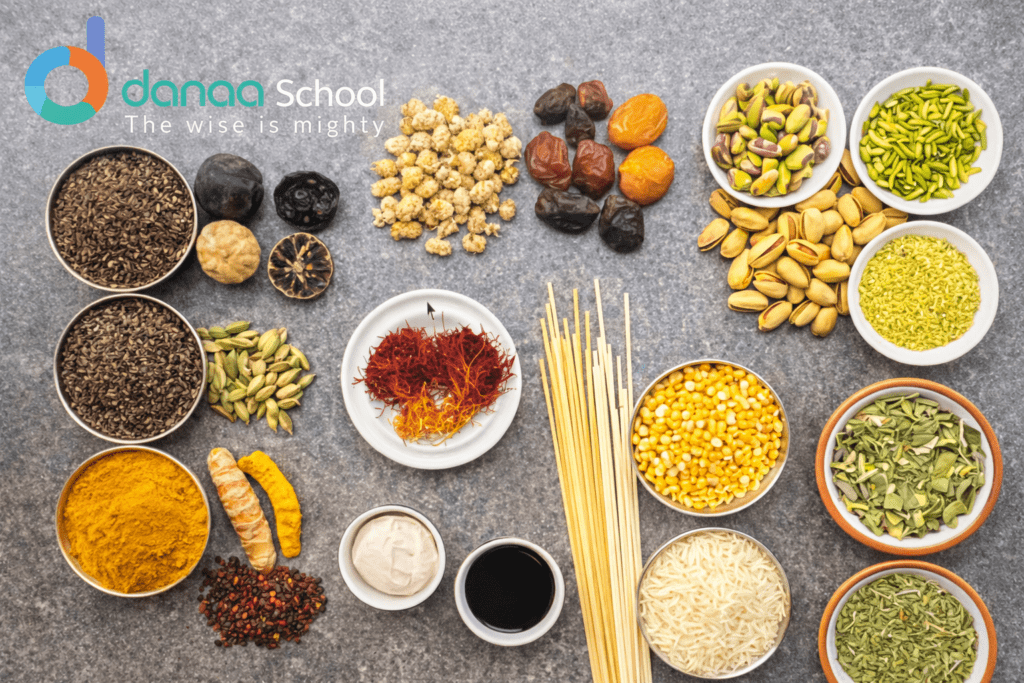
The seven traditional items placed on a Haft-Seen table are:
1. Sabzeh (Sprouts)
Sabzeh, usually wheat, lentils, or barley sprouts, symbolizes rebirth, growth, and the renewal of nature. It is one of the most visually prominent elements of the Nowruz table.
2. Samanu (Sweet Wheat Pudding)
Samanu represents abundance, fertility, and sweetness in life. Made from germinated wheat, it reflects patience and reward, as it requires time and care to prepare.
3. Senjed (Dried Oleaster Fruit)
Senjed symbolizes love, affection, and emotional wisdom. It is often associated with deep-rooted relationships and thoughtful choices.
4. Seer (Garlic)
Seer stands for health, protection, and medicine. Traditionally believed to ward off illness and negativity, it reflects physical and spiritual well-being.
5. Seeb (Apple)
Seeb represents beauty, vitality, and natural balance. Its round shape and freshness symbolize harmony and good health.
6. Somāq (Sumac)
Somāq, with its deep red color, symbolizes the sunrise and the triumph of light over darkness. It reflects hope and the arrival of brighter days.
7. Serkeh (Vinegar)
Serkeh represents patience, wisdom, and acceptance of life’s challenges. It reminds us that growth often comes through experience and endurance.
Nowruz Table Decoration and Arrangement
Decorating the Nowruz table is both personal and artistic. Many families use embroidered cloths, traditional dishes, mirrors to reflect light, and candles to symbolize clarity and warmth. Painted eggs represent fertility and diversity, while fresh flowers such as hyacinths signal the arrival of spring.
There is no single “correct” way to decorate a Haft-Seen table. What matters most is intention—welcoming the new year with care, beauty, and meaning.
Why the Nowruz Table Still Matters Today
In a fast-moving world, the Nowruz table offers a moment of pause. It invites reflection on the past year and intention for the future. For children, it becomes a living lesson in culture; for adults, a reminder of continuity and identity.
Whether simple or elaborate, the Haft-Seen table remains a powerful symbol of renewal shared across borders and generations.
Learn Persian Culture with Danaa School
Understanding traditions like the Nowruz table becomes even richer when you understand the Persian language behind them. At Danaa School, learning Farsi opens the door to Persian stories, poetry, and cultural depth.
If you want to explore Nowruz beyond symbols and truly connect with Persian culture, learning Farsi is the perfect next step.
Conclusion
The Nowruz table (Haft-Seen) is more than a festive display—it is a reflection of values passed down for thousands of years. Through its symbols, it teaches balance, hope, patience, and renewal, making Nowruz not just a celebration of spring, but of life itself.
Find Your Ideal Teacher
At Danaa School, you can choose your Farsi tutor from a selection of qualified and experienced teachers. Begin an exceptional journey into the world of Persian language!
Book Your Trial Lesson
Nowruz Table Items and Their Meanings
Beyond their aesthetic appeal, each item on the Nowruz table carries profound symbolic significance, connecting participants to their cultural heritage and spiritual beliefs. Setting up the Haft Sin table is a ritualistic practice that fosters a sense of continuity and connection with the past.
As families gather around the table to partake in the rituals and share in the festivities, they are reminded of the values that bind them together as a community, fostering a sense of unity and belonging.
Celebrating with Nowruz Eggs and Flowers
While the Haft Sin items form the centerpiece of the Nowruz table, additional elements add to the celebration’s festive ambiance and aesthetic allure. Painted eggs, known as “token more,” symbolize fertility, rebirth, and the cyclical nature of life.
These intricately decorated eggs serve as tokens of good fortune and blessings for the year ahead. Their vibrant colors and patterns reflect the joyous spirit of Nowruz.
Fresh flowers, such as hyacinths, tulips, narcissus, and roses, play a pivotal role in Nowruz celebrations. They adorn the table with beauty, fragrance, and symbolism. These blooms herald the arrival of spring, symbolizing renewal, growth, and the abundance of nature.
Their vibrant colors and delicate petals infuse the Nowruz table with freshness and vitality, evoking a sense of wonder and appreciation for the wonders of creation.
Nowruz Around the World
Nowruz is not confined to Iran but is celebrated in various countries across the Middle East, Central Asia, and South Asia. While the core traditions remain the same, each region adds a unique flair to the festivities, incorporating local customs, foods, and symbols.
From Afghanistan to Azerbaijan, Tajikistan to Turkey, Nowruz is a unifying force that transcends borders and brings people together to celebrate life, renewal and hope for the future.
Regional Variations of Haft Sin
Different cultures have variations of the Haft Sin table, reflecting the diverse tapestry of Nowruz traditions. In Afghanistan, for example, the Haft Sin table may include items such as garlic, vinegar, and coins, while in Azerbaijan, pomegranates, nuts, and sweets are commonly featured.
Despite these differences, Nowruz’s underlying spirit remains the same, fostering a sense of unity and solidarity among diverse communities.
What Is the Symbolism of Nowruz?
Nowruz symbolizes renewal, rebirth, and the triumph of light over darkness. It marks the beginning of spring, a time of rejuvenation and new beginnings. The rituals and traditions associated with Nowruz reflect the Persian people’s deep-rooted cultural beliefs and spiritual values, emphasizing the importance of family, community, and the eternal life cycle.
What Do Iranians Do on Nowruz?
Iranians celebrate Nowruz with various rituals and customs, including cleaning their homes, visiting friends and family, preparing unique dishes, exchanging gifts, and participating in festive gatherings.
The days leading up to Nowruz are filled with anticipation and excitement as people prepare for the arrival of the new year, eagerly awaiting the moment when they can gather around the Nowruz table to usher in the spring season with joy and reverence.
What Do Persians do for Nowruz?
Persians celebrate Nowruz by setting up the Haft Sin table, attending traditional ceremonies, reciting poetry, playing music, dancing, and enjoying festive meals with loved ones. The Nowruz celebration is a time of unity and solidarity as people come together to reaffirm their cultural identity and celebrate the rich tapestry of Persian heritage.
From Tehran to Los Angeles, from Shiraz to Toronto, Persians around the world join in the festivities, carrying on the traditions of their ancestors and passing them down to future generations.
Do Persians Celebrate Nowruz?
Yes, Nowruz is widely celebrated by Persians and people of Persian descent worldwide as a cultural and religious holiday marking the beginning of the new year. It is a powerful reminder of the resilience and endurance of the Persian people, who have preserved their cultural heritage and traditions despite centuries of upheaval and adversity.
As Persians gather to celebrate Nowruz each year, they honor their past, celebrate their present, and look forward to a future filled with hope, prosperity, and peace.
FAQs
Why are seven specific items chosen for the Haft Sin table?
The number seven is special in Persian culture, representing perfection and completeness. Each item starting with ‘S’ symbolizes blessings and wishes for the new year.
Can variations of the Haft Sin items be included on the Nowruz table?
Absolutely! While the traditional seven items are commonly used, families often personalize their Nowruz table with additional symbols and decorations that hold significance to them.
What is the significance of the Nowruz eggs?
Nowruz eggs symbolize fertility, birth, and new beginnings. They are often exchanged as gifts and displayed prominently on the Nowruz table.
How long does the Nowruz celebration last?
Nowruz festivities typically span over 13 days, symbolizing the 13-day journey of the sun from the vernal equinox to the beginning of spring.
Are there any specific rituals associated with the Nowruz table?
Yes, various rituals and customs are observed during Nowruz, including reciting poetry, visiting friends and family, and partaking in festive meals together.
What is the significance of the Nowruz mirror?
The Nowruz mirror, often placed on the Haft Sin table, symbolizes self-reflection, introspection, and the contemplation of one’s actions and intentions. It serves as a reminder to look inward, assess one’s character, and strive for personal growth and improvement in the coming year.
Why is the Nowruz table traditionally set facing east?
Setting the Nowruz table facing east symbolizes welcoming the rising sun and embracing the dawn of a new day, a new year, and new opportunities. It represents a forward-looking attitude, optimism for the future, and a readiness to start a journey of renewal and transformation.
Conclusion
The Nowruz table is more than just a decorative display; it reflects the rich tapestry of Persian culture, traditions, and values. As families gather around this symbolic tableau, they come together to honor the past, celebrate the present, and embrace the future with hope and optimism.
The rituals and customs associated with Nowruz serve as a testament to the enduring spirit of the Persian people, who continue to celebrate their heritage and preserve their traditions with pride and reverence.
Join Danaa School today and start a journey to deepen your understanding of Iranian culture, literature, and diverse celebrations! Immerse yourself in the rich tapestry of traditions, stories, and festivities that make Iran unique. Sign up now.
Want to Learn Farsi at Danaa School?
Here are the best resources for you!