Bakery and Sweets in Persian
Persian bakery and sweets have a rich history that dates back centuries, blending influences from various regions to create unique flavors and textures. From delicate pastries to flavorful breads, Persian confectionery and baked goods are a delightful experience for anyone who appreciates fine food. In this blog, we will explore different aspects of Persian bakery and sweets, including traditional recipes, popular treats, and their cultural significance.
The History of Persian Bakery and Sweets
Persian sweets and bakery items have roots that trace back to the Persian Empire, where baking was considered an art form. Ancient Persians used honey, dates, and nuts to create early versions of sweets, which later evolved with the introduction of sugar from India. Over time, Persian confections influenced Middle Eastern, Turkish, and even European desserts.
Traditional Persian Breads: A Daily Staple
Bread plays an essential role in Persian cuisine. Some of the most popular Persian breads include:
- Sangak – A whole wheat, flatbread baked on hot stones, giving it a unique texture.
- Barbari – A thick, oval-shaped bread with a crispy crust, often topped with sesame or nigella seeds.
- Lavash – A thin, soft bread commonly used for wraps and sandwiches.
- Taftoon – A slightly thicker bread, similar to naan, with a chewy texture.
Persian breads are often served with cheese, fresh herbs, and tea, making them a fundamental part of Persian breakfast and meals.
Famous Persian Sweets and Desserts
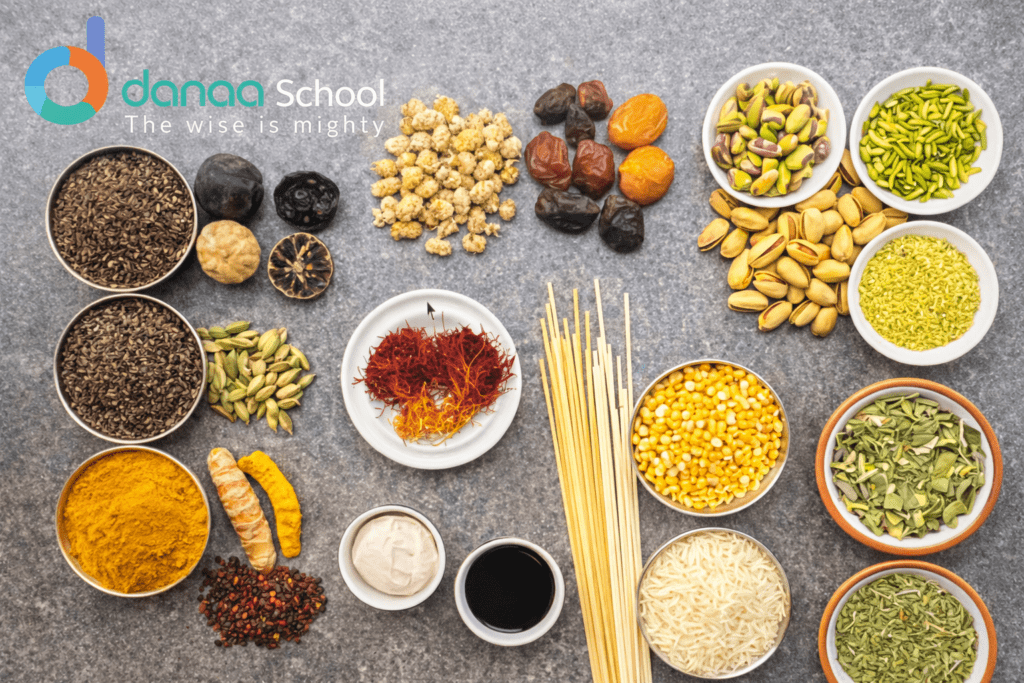
Persian desserts are renowned for their delicate balance of flavors, often incorporating rosewater, saffron, pistachios, and almonds. Some of the most beloved Persian sweets include:
- Baklava (Baghlava) – A layered pastry filled with crushed nuts and sweetened with honey or syrup.
- Gaz – A Persian nougat made with pistachios and flavored with rosewater.
- Sohan – A saffron and pistachio brittle, often enjoyed as a gift or souvenir.
- Ranginak – A date-filled dessert covered in walnut and cinnamon, popular in southern Iran.
- Halva – A sweet, dense confection made from flour, sugar, and cardamom.
- Faloodeh – A refreshing dessert made with thin vermicelli noodles frozen in a rosewater syrup, often served with lime juice.
The Role of Sweets in Persian Culture
Sweets are not just food in Persian culture; they are symbols of hospitality, celebration, and tradition. In Persian homes, guests are often welcomed with a cup of tea and a plate of sweets. During Nowruz (Persian New Year), special desserts like Samanu (a wheat-based pudding) and Nan-e Nokhodchi (chickpea cookies) are prepared. Sweets also play a crucial role in weddings, birthdays, and religious ceremonies.
How Persian Sweets Differ from Western Desserts
Unlike many Western desserts that focus on cream, chocolate, and heavy sugars, Persian sweets emphasize natural ingredients such as saffron, rosewater, and nuts. These elements give Persian desserts a floral, nutty, and aromatic profile that sets them apart. Additionally, many Persian sweets are gluten-free, dairy-free, or naturally preserved, making them a healthier choice for dessert lovers.
Where to Buy Persian Sweets and Breads
If you’re craving authentic Persian bakery items, here are some ways to find them:
- Persian bakeries – Many major cities have Persian or Middle Eastern bakeries that sell traditional bread and sweets.
- Online stores – Many Persian sweets, such as Gaz and Sohan, can be ordered online from specialty shops.
- Homemade – Persian sweets are not difficult to make at home with the right ingredients and recipes.
How to Make Persian Sweets at Home
Making Persian sweets at home can be a rewarding experience. Here’s a simple recipe for Nan-e Nokhodchi (Chickpea Cookies):
Ingredients:
- 2 cups chickpea flour
- ½ cup powdered sugar
- ½ cup unsalted butter, melted
- 1 teaspoon cardamom powder
- 1 teaspoon rosewater
- Crushed pistachios for garnish
Instructions:
- Preheat the oven to 150°C (300°F).
- Mix chickpea flour, powdered sugar, cardamom, and melted butter until a dough forms.
- Add rosewater and knead until smooth.
- Roll out the dough and cut into small shapes.
- Place on a baking tray and bake for 15-20 minutes until golden.
- Garnish with crushed pistachios and let cool before serving.
Learn Farsi with Danaa School
If you want to explore Persian culture beyond its food, learning Farsi is a great way to deepen your connection. At Danaa School, we offer expert-led Farsi courses tailored for beginners and advanced learners. Sign up today and start your journey into the rich Persian language and culture!
Frequently Asked Questions (FAQs)
- What is the most popular Persian sweet? Baklava, Gaz, and Sohan are among the most popular Persian sweets, known for their unique flavors and textures.
- Are Persian sweets healthy? Many Persian sweets use natural ingredients like nuts, saffron, and honey, making them a healthier alternative to processed desserts.
- What is the main ingredient in Persian sweets? Common ingredients include rosewater, saffron, pistachios, almonds, and cardamom.
- Where can I buy authentic Persian sweets? Persian sweets can be found in Middle Eastern grocery stores, specialty bakeries, or ordered online.
- What makes Persian bread unique? Persian bread is known for its distinct textures and flavors, ranging from crispy Sangak to soft and chewy Lavash.
- Can I make Persian sweets at home? Yes! Many Persian sweets, like Nan-e Nokhodchi and Halva, can be made easily at home with simple ingredients.
- How does Persian cuisine influence other cultures? Persian cuisine has influenced Middle Eastern, Turkish, and even European desserts with its unique use of spices and ingredients.
Conclusion
Persian bakery and sweets hold a special place in Persian culture and cuisine. Whether you enjoy the rich flavors of Sohan, the crispiness of Barbari bread, or the refreshing taste of Faloodeh, Persian confections offer something for everyone. These sweets not only satisfy your taste buds but also connect you to centuries of culinary tradition.