
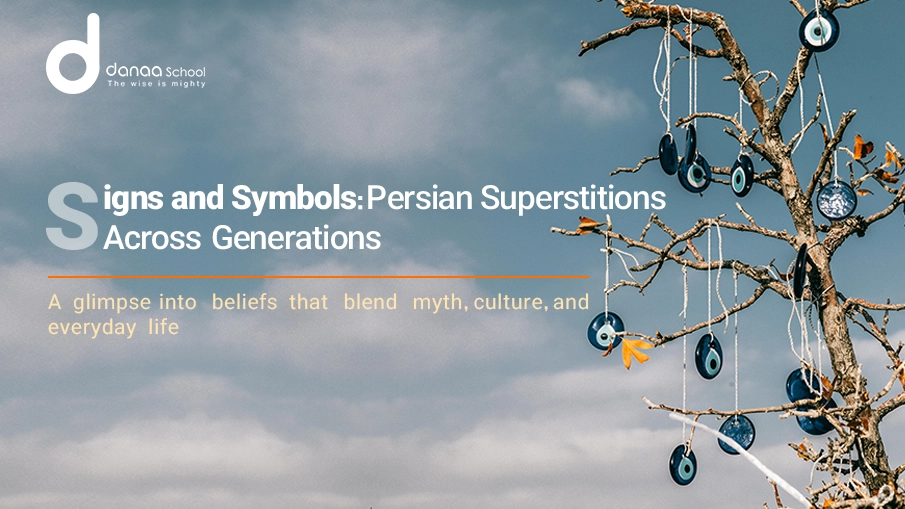
Persian Superstitions and Beliefs
Persian culture is deeply rooted in history, mythology, and centuries-old traditions. Superstitions and beliefs play a significant role in everyday life, influencing personal decisions, social behavior, and major life events.
Some of these beliefs originate in ancient Zoroastrian traditions, while others stem from Islamic teachings, folklore, and long-standing cultural practices.
Cheshm Zakhm (The Evil Eye)
One of the most common Persian beliefs is Cheshm Zakhm, or the evil eye. It is believed that excessive admiration or jealousy can bring misfortune, illness, or bad luck.
Common Ways to Protect Against the Evil Eye
- Blue eye amulets (Nazar) worn or displayed for protection
- Reciting prayers or religious verses for spiritual safety
- Burning Esfand (wild rue seeds) to cleanse negative energy
Esfand: A Traditional Symbol of Protection
Esfand, also known as wild rue, holds a special place in Persian superstitions. Burning these seeds is believed to protect individuals from bad energy and misfortune.
When Do Persians Burn Esfand?
- Before weddings, childbirth, or important life events
- After receiving excessive compliments
- Following disturbing or bad dreams
The Number 13 and Bad Luck
The number 13 is traditionally considered unlucky in Persian culture, similar to many other cultures around the world.
How Persians Deal with the Number 13
- Sizdeh Bedar: The 13th day of Nowruz is spent outdoors to escape bad luck
- Avoiding the number 13 in buildings or addresses
- Not starting important plans on the 13th day
Whistling at Night
In Persian folklore, whistling at night is believed to attract negative forces or evil spirits.
- It is said to invite spirits or jinns
- Considered disrespectful to the peace of the household
Spilling Salt
Spilling salt is considered a sign of bad luck. To counter it, Persians traditionally throw a small pinch of salt over their left shoulder.
Sweeping Someone’s Feet
Accidentally sweeping someone’s feet with a broom is believed to bring bad luck, often interpreted as preventing marriage in traditional households.
Dream Interpretations in Persian Culture
Dream interpretation has long been part of Persian folklore and tradition. Common dream meanings include:
- Water: A sign of prosperity and good fortune
- Snakes: Symbolizing enemies or hidden threats
- Flying: Representing success or spiritual elevation
Learn Persian Culture with Danaa School
Understanding Persian superstitions becomes deeper when you learn the language. Danaa School offers Persian language courses that connect language learning with cultural traditions.
Conclusion
Persian superstitions and beliefs offer a fascinating glimpse into cultural values passed down through generations. While modern life has changed many practices, these traditions still influence daily life and social behavior.
Frequently Asked Questions
- What is the most common Persian superstition? Belief in the evil eye (Cheshm Zakhm) is the most widespread.
- Why do Persians burn Esfand? To protect against negative energy and bad luck.
- Why is the number 13 avoided? It is traditionally considered unlucky.
- Is whistling at night considered bad? Yes, it is believed to attract negative forces.
- What does water symbolize in dreams? Prosperity and positive outcomes.