Poems and Quotes About Death by Rumi
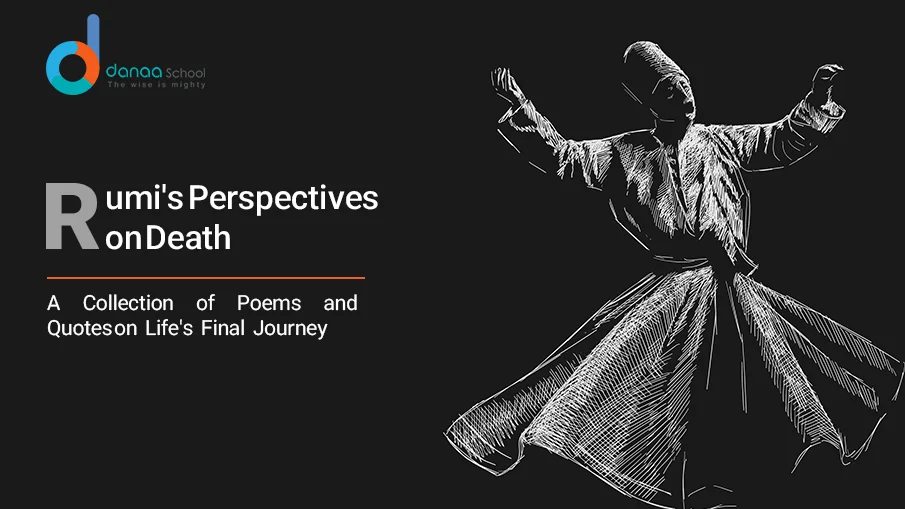
Poems and quotes about death by Rumi offer a deeply spiritual and transformative view of mortality. Rumi, the 13th-century Persian poet and Sufi mystic, did not see death as an ending, but as a passage into a higher state of awareness. His poetry reframes fear into understanding and loss into renewal.
Through metaphor, symbolism, and spiritual insight, Rumi teaches that death is not something to resist, but something to understand. His words continue to comfort readers who seek meaning beyond the physical world.
Understanding Death in Rumi’s Poetry
In Rumi’s worldview, death represents transformation rather than annihilation. The body is temporary, but the soul is eternal. This belief allows Rumi to speak about death without despair, replacing fear with trust in a greater spiritual reality.
Rather than mourning death, Rumi encourages reflection on how we live. He suggests that awareness of mortality brings clarity, humility, and deeper appreciation of life.
Famous Poems and Quotes About Death by Rumi
One of the most well-known teachings attributed to Rumi states:
“Die before death and find that there is no death.”
This line refers to the death of the ego — releasing attachment, fear, and false identity. When the ego dissolves, death loses its power, and spiritual freedom becomes possible.
Another meaningful reflection says:
“The wound is the place where the Light enters you.”
Here, suffering and loss — including death — are portrayed as openings rather than endings. Pain becomes a doorway to wisdom.
Death, Ego, and Transformation
Many poems by Rumi describe death as the collapse of the ego. Pride, fear, and illusion must fall away so the soul can return to its true nature. This idea is central to Rumi’s spiritual philosophy.
From this perspective, physical death mirrors a deeper inner process that can occur during life. Awakening happens when the false self dissolves.
Death in Sufi Thought
In Sufi tradition, death is understood as reunion with the Divine. Rather than separation, it is a return. Rumi’s understanding of death aligns closely with this belief, portraying mortality as a sacred transition.
This interpretation removes fear and replaces it with longing — not for death itself, but for truth, love, and unity.
Why Rumi’s View of Death Still Matters Today
Modern society often avoids conversations about death or frames it as something tragic and final. Rumi challenges this perspective by offering a vision rooted in continuity and meaning.
His poems are frequently shared during times of grief because they offer comfort without denial. Death, according to Rumi, does not erase existence — it transforms it.
Learning Rumi with Danaa School
At Danaa School, students explore Persian poetry within its cultural, historical, and philosophical context. Studying poems and quotes about death by Rumi allows learners to understand both the language and the deeper spiritual meanings behind the words.
You can begin your journey into Persian literature through our guided courses on Persian poetry, designed for learners of all levels.
Conclusion
The power of poems and quotes about death by Rumi lies in their ability to transform fear into understanding. Rumi teaches that nothing essential is lost — only form changes. His poetry reminds us that death is not darkness, but a return to light.
Find Your Perfect Teacher
At Danaa School, you can find your Persian Poetry Tutor from all qualified and experienced teachers.
Now experience the excellent language and poetry journey.

FAQs
Is Rumi's poetry religious?
Rumi’s poetry is deeply rooted in Islamic spirituality and mysticism. Still, its love, unity, and transcendence themes resonate with people of all faiths and backgrounds.
What is the significance of death in Rumi's work?
Death in Rumi’s poetry symbolizes the impermanence of physical existence and the soul’s journey toward spiritual enlightenment.
How can Rumi's perspective on death help individuals cope with loss?
Rumi’s teachings offer comfort and guidance to those grappling with the inevitability of death, encouraging them to embrace the eternal truth of their existence.
Are there any modern interpretations of Rumi's poetry on death?
Many scholars and poets continue to explore and interpret Rumi’s insights on death in contemporary contexts, highlighting the relevance of his teachings in today’s world.
Where can I find more of Rumi's poetry on death?
Rumi’s collections, such as the “Divan-e Shams-e Tabrizi” and the “Masnavi,” contain numerous poems that explore the theme of death and spiritual transformation.
How does Rumi's poetry approach the topic of death differently from other poets?
Rumi’s poetry offers a unique perspective on death, viewing it as a transformative journey rather than a finality. Unlike many poets who dwell on the sorrow of mortality, Rumi celebrates death as a gateway to spiritual awakening and union with the divine.
Are there any specific rituals or practices in Sufism related to death?
Sufism encompasses various rituals and practices related to death, including recitation of sacred texts, prayers for the departed, and commemorative gatherings known as dhikr. These practices honor the deceased and facilitate their soul’s journey towards the afterlife.
Conclusion
In conclusion, Rumi’s profound insights on death offer valuable lessons for navigating the complexities of human existence. His poetry invites readers to confront their mortality with courage and grace, knowing that death is but a doorway to the eternal realm of the spirit.
Are you fascinated by the Persian literature? Do you want to explore the world of Rumi and the beauty hidden within their works? Look no further than Danaa School’s Poetry classes! Enroll now.
Want to Learn Persian Poetry at Danaa School?
Here are the best resources for you!