Spices and Ingredients in Persian Cuisine
Spices and ingredients in Persian cuisine are not just about cooking — they tell a story of culture, history, and everyday life in Persian-speaking homes.
From the golden aroma of saffron blooming in warm water to the sharp tang of dried lime simmering in a slow-cooked stew, Persian food is built on balance, patience, and subtle layers of flavor.
Unlike cuisines that rely on heat or overpowering spice, Persian cooking focuses on harmony. Each spice has a role, and each ingredient supports the overall balance of taste, aroma, and texture.
In this guide, you’ll discover the most important spices and ingredients in Persian cuisine and learn how they shape one of the world’s most refined and time-honored food traditions.
Essential Spices in Persian Cuisine
Persian cuisine relies on aromatic spices rather than heat. These spices are used carefully to enhance food without overpowering it.
1. Saffron (Za’faran)
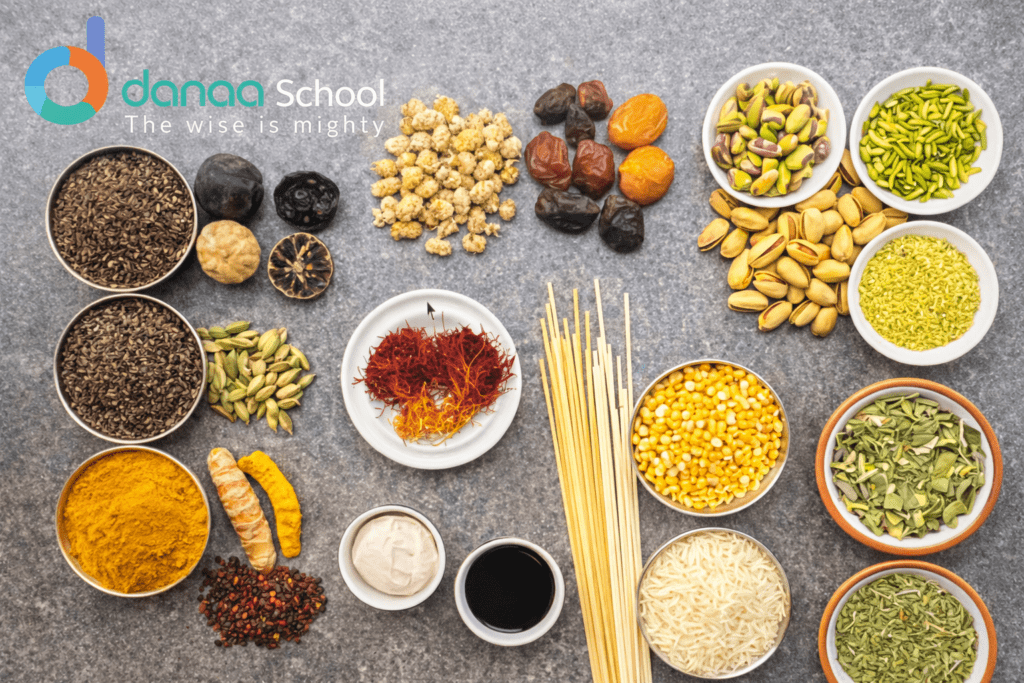
Saffron is the most valuable spice in Persian cuisine. It gives rice and stews their signature golden color, floral aroma, and delicate flavor. Persian cooks traditionally grind saffron and bloom it in warm water to release its full essence.
2. Turmeric (Zardchoobeh)
Turmeric is a foundational spice used in most Persian stews and rice dishes. It adds warmth, color, and depth while acting as the backbone of savory flavor.
3. Dried Lime (Limoo Amani)
Dried lime brings a tangy, slightly bitter citrus note to Persian stews like Ghormeh Sabzi and Gheimeh. It is used whole or ground to balance rich, slow-cooked dishes.
4. Cinnamon (Darchin)
Cinnamon is used subtly in Persian cooking, especially in rice dishes and meat stews, adding warmth and gentle sweetness rather than spice.
5. Sumac (Somaq)
Sumac is a deep red spice with a lemony tang, often sprinkled over kebabs and rice. It adds brightness and acidity without heat.
Key Ingredients in Persian Cooking
Beyond spices, Persian cuisine depends on high-quality ingredients that create texture, contrast, and richness.
1. Rice (Berenj)
Persian rice is famous for its long grains, fluffy texture, and fragrant aroma. Techniques like steaming and creating crispy tahdig are central to Persian cooking.
2. Fresh Herbs (Sabzijat)
Parsley, cilantro, dill, chives, and fenugreek are used generously in Persian dishes. Fresh herbs bring freshness and balance to rich stews and rice meals.
3. Pomegranate (Anar)
Pomegranate adds sweetness and acidity, especially in iconic dishes like Fesenjan, where it is paired with walnuts and poultry.
4. Yogurt (Mast)
Yogurt is served as a side dish, mixed with herbs, or used in sauces. It adds creaminess and freshness to meals.
Why Persian Spices and Ingredients Matter
Persian cuisine is built on balance — sweet and sour, warm and fresh, rich and light. Spices and ingredients are layered slowly to create depth rather than intensity.
This approach reflects Persian culture itself: thoughtful, poetic, and deeply connected to history and tradition.
Learn Persian Culture with Danaa School
Understanding Persian food is also a gateway to understanding the Persian language and culture. At Danaa School, you can learn Persian through language, literature, and cultural context — not just vocabulary.
If you want to connect more deeply with Persian traditions, food, and everyday life, learning Persian is the perfect next step.