The Mythical Phoenix in Shahnameh
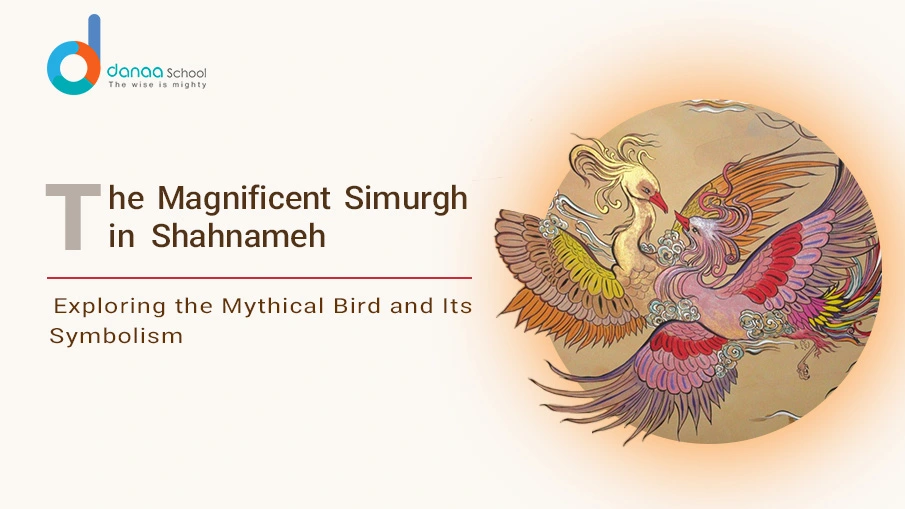
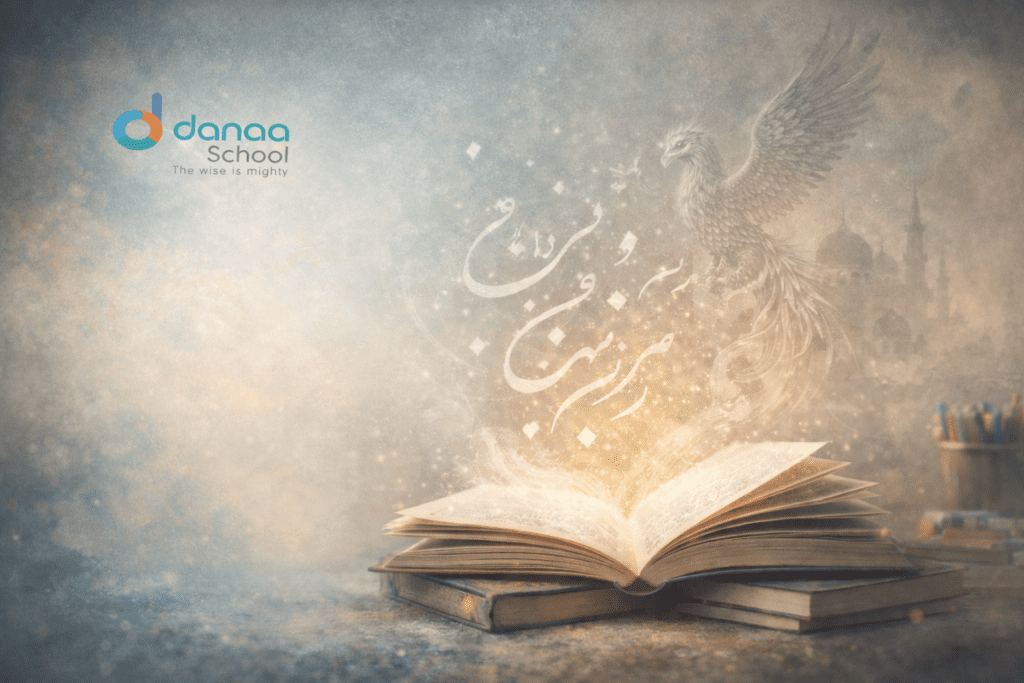
The mythical Phoenix in Shahnameh is one of the most profound and symbolic creatures in Persian mythology. Ferdowsi’s Shahnameh is not only an epic of kings, heroes, and battles, but also a literary universe filled with mythical beings that express ancient Iranian philosophy, ethics, and spirituality.
Among these legendary figures, the Phoenix — known in Persian tradition as Simurgh — stands out as a symbol of wisdom, rebirth, protection, and spiritual guidance. This article explores the origins, symbolism, and deeper meaning of the mythical Phoenix in Shahnameh and explains why it remains one of the most powerful figures in Persian literature.
Introduction to the Mythical Phoenix in Shahnameh
The Phoenix in Shahnameh is not merely a fantastic bird. It represents a bridge between the human world and the divine. Unlike many mythological creatures that rely on brute strength, the Simurgh is defined by knowledge, foresight, and compassion. It appears at critical moments to guide heroes toward wisdom and moral clarity.
Origins of the Phoenix in Persian Mythology
The roots of the mythical Phoenix in Shahnameh extend back to pre-Islamic Iranian beliefs, especially Zoroastrian cosmology. In ancient Persian thought, sacred birds were associated with cosmic order, healing, and divine truth. Ferdowsi masterfully absorbed these ancient motifs and reshaped them within the epic narrative of the Shahnameh.
Unlike the Greek Phoenix, which focuses mainly on destruction and rebirth through fire, the Persian Simurgh emphasizes wisdom passed through generations. It is a keeper of memory and a guardian of ethical knowledge.
Symbolism and Meaning of the Phoenix
The mythical Phoenix in Shahnameh carries layered symbolism that reflects Persian philosophical thought. Its meanings go far beyond physical immortality and point toward spiritual and moral transformation.
Wisdom and Knowledge
The Simurgh is portrayed as an ancient being that has witnessed the rise and fall of civilizations. This timeless perspective makes it a symbol of accumulated wisdom. Heroes who encounter the Phoenix do not merely gain power — they gain understanding.
Rebirth and Transformation
Rebirth is a central theme in the Phoenix myth. In Shahnameh, this rebirth mirrors the inner transformation of heroes who suffer, learn, and emerge stronger. The Phoenix teaches that renewal comes through endurance and moral growth rather than destruction alone.
Fire as Purification
Fire, closely associated with the Phoenix, symbolizes purification and enlightenment in Persian culture. The burning process represents the removal of ignorance and ego, allowing truth and wisdom to emerge.
The Role of the Phoenix in Shahnameh
In Shahnameh, the Phoenix functions as a protector and spiritual guide rather than a warrior. Its role reinforces Ferdowsi’s message that true strength comes from wisdom and ethical conduct. When heroes are lost or broken, the Simurgh appears as a source of healing and direction.
This role elevates the Phoenix from a mythical creature to a philosophical symbol — one that embodies destiny, responsibility, and moral awareness.
The Phoenix Beyond Shahnameh
While Phoenix myths appear across many cultures, the Persian Simurgh is unique. In Greek mythology, the Phoenix emphasizes cyclical destruction and rebirth. In contrast, the Simurgh emphasizes continuity, guidance, and ethical responsibility.
This distinction highlights how Persian mythology prioritizes wisdom and moral insight over raw power. For more historical background, you can explore the Shahnameh on Wikipedia.
Learning Shahnameh with Danaa School
At Danaa School, students explore Persian literature through language, history, and cultural context. Studying the mythical Phoenix in Shahnameh allows learners to understand how symbolism, storytelling, and ethics are woven together in Persian epic tradition.
Through guided courses, students develop deeper reading comprehension, cultural awareness, and appreciation for classical