Where to Start with Persian Literature
Persian literature is a rich tapestry woven from centuries of history, culture, and philosophical thought. For readers beginning their journey, understanding its foundations and major traditions is essential to fully appreciate its depth and beauty.
Introduction to Persian Literature
Persian literature originated in ancient Iran, where oral traditions flourished long before written texts emerged. Over time, these narratives evolved into sophisticated literary forms encompassing poetry, prose, philosophy, and epic storytelling. From Ferdowsi’s monumental epics to Rumi’s mystical poetry, Persian literature reflects the enduring spirit of Persian culture.
Ancient Persian Literature
Oral Tradition and Early Poetry
The earliest roots of Persian literature lie in oral traditions where poets and storytellers transmitted tales of heroism, morality, and wisdom across generations. These early works, composed in Old Persian, celebrated kings, warriors, and ethical ideals.
Influence of Zoroastrianism
Zoroastrianism deeply influenced ancient Persian literary themes. Concepts such as the struggle between good and evil, moral responsibility, and cosmic order found poetic expression in early Persian texts.
Medieval Persian Literature
The medieval era marked the golden age of Persian literature. Poetic forms such as the ghazal, masnavi, and qasida flourished under the influence of mysticism and court culture.
The Golden Age of Persian Poetry – An Ultimate Guide
Sufi Influence on Literature
Sufism profoundly shaped Persian literature. Poets such as Rumi and Attar used symbolism, allegory, and metaphor to convey spiritual truths and the soul’s journey toward divine love.
Key Themes and Genres
Persian literature encompasses diverse genres, including lyrical poetry, epic narratives, philosophical prose, and moral tales. Recurring themes include love, spirituality, nature, and the search for meaning.
Poetry
Ghazal – Love and Longing
The ghazal is one of the most celebrated forms in Persian poetry, expressing love, yearning, and spiritual devotion through lyrical couplets.
Masnavi – Spiritual Journey
The masnavi is a narrative poetic form, often used for moral teaching and mystical storytelling. Rumi’s Masnavi is the most renowned example.
Prose and Epics
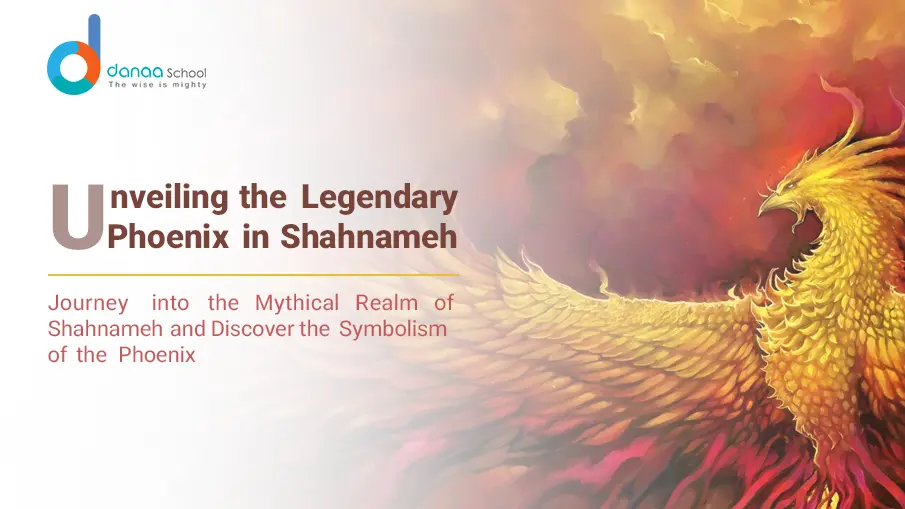
Persian prose includes philosophical writings, moral tales, and historical narratives. The epic tradition is best represented by Ferdowsi’s Shahnameh.
Prominent Persian Literary Figures
Rumi
Rumi is one of the most influential mystical poets in world literature. His poetry explores divine love, self-discovery, and spiritual awakening.
Hafez
Hafez mastered the ghazal form, blending romantic imagery with philosophical depth. His poetry remains central to Persian cultural life.
Ferdowsi
Ferdowsi preserved Persian history and mythology through the Shahnameh, a cornerstone of Persian identity.
Why Learning Persian Language Matters
While translations offer access to Persian literature, learning the Persian language allows readers to experience its rhythm, symbolism, and nuance more deeply.
Why Choose Danaa School?
Danaa School provides structured courses in Persian language and literature, guided by expert instructors with deep literary knowledge.
Our curriculum supports learners at all levels, helping them explore Persian poetry, prose, and culture with clarity and confidence.
FAQs
Is Persian literature only about poetry?
Persian literature encompasses various genres, including poetry, prose, and epics, offering diverse literary works.
How can I learn more about Persian literature?
Exploring anthologies, attending lectures, and engaging with online resources can deepen your understanding of Persian literature.
What makes Persian literature unique?
Persian literature is characterized by its lyrical beauty, profound metaphors, and rich cultural heritage, which set it apart from other literary traditions.
Are there English translations available for Persian literary works?
Many Persian literary masterpieces have been translated into English, allowing readers worldwide to enjoy and appreciate them.
Can I appreciate Persian literature without learning the Persian language?
While translations offer access to Persian literature, learning Persian can provide a deeper understanding of its nuances and cultural context.
What role does religion play in Persian literature?
Religion, particularly Sufism and Zoroastrianism, has significantly influenced Persian literature. Sufi mysticism, emphasizing love and spiritual enlightenment, is reflected in the works of poets like Rumi and Attar. At the same time, Zoroastrian themes of good versus evil are woven into the fabric of ancient Persian epics.
How has Persian literature evolved?
Persian literature has evolved significantly over the centuries, adapting to changing cultural, social, and political contexts. From Ferdowsi’s epic poetry to contemporary writers’ modernist experiments, Persian literature has embraced a diverse range of styles and genres.
Conclusion
So, where to start with Persian literature? Start a journey into Persian literature offers a path of discovery and enlightenment, where timeless works of poetry and prose await exploration. Whether you’re drawn to the mystical verses of Rumi, the lyrical beauty of Hafez, or the epic tales of Ferdowsi, Persian literature promises a wealth of treasures for the curious reader. With resources like Danaa School to guide and inspire you, the journey into Persian literature is as rewarding as it is enriching. Enroll today. Sign up now.