👩‍🏫Find Tutor
🌍 Languages
🌐All Languages

Persian, Turkish, Spanish, French, German, English & more

🎵 Music
🎼All Instruments

Piano, Setar, Tar, Violin & more

🎨 Arts & Life Skills
🖌️Art & Calligraphy 🎭Storytelling & Theatre 🧘Life Skills Soon 🍳Cooking Soon
🎓 UK Curriculum
🎓GCSE & A-Level

Persian, Physics, Maths, Chemistry, Biology

👥Group Classes 📅Workshops 🎓Become a Tutor 🌱Kids Zone 📖Book Store
Is it Hafiz or Hafez? Unraveling the Mystery

Is it Hafiz or Hafez? The Complete Guide

Hafiz or Hafez? What Is the Correct Spelling? If you’ve ever wondered “Is it Hafiz or Hafez?”, you’re not alone. Both spellings are correct — but they are used in different contexts. Understanding the difference helps you read, write, and search Persian literature more accurately. Short answer: “Hafez” is closer

What Is Hafez Poetry? A Timeless Persian Art

Hafez Poetry — Who Was Hafez

Hafez Poetry — Who Was Hafez, What He Wrote & Why He Still Matters Hafez of Shiraz is Iran’s national poet — more widely memorised, more frequently quoted, and more deeply embedded in everyday Iranian life than any other literary figure. His collected poems, the Divan, sit beside the Quran

When Was Hafez Born?

When Was Hafez Born?

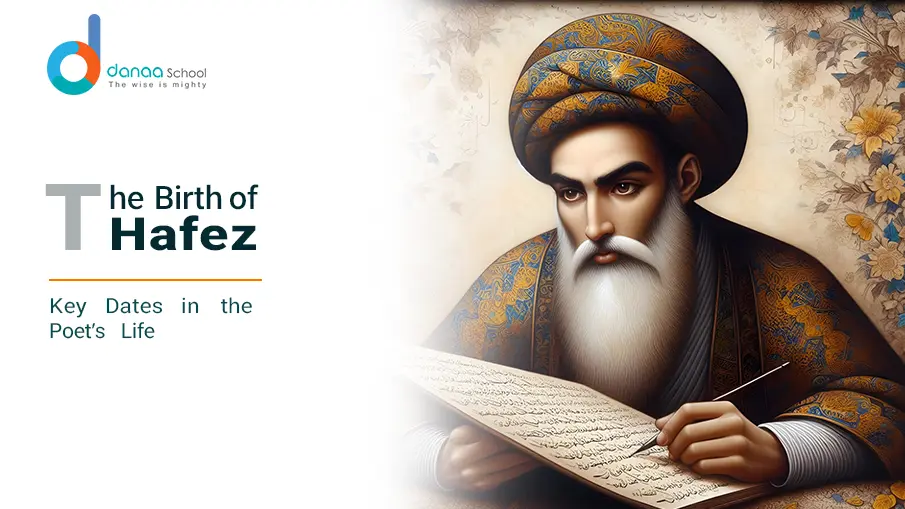
Hafez, a cornerstone of Persian literature, was born on October 12, 1315, in Shiraz, Persia. Known as Shams-ud-Din Muhammad Hafez-e Shirazi, his birth marked the beginning of a life that would leave an indelible mark on poetry and culture. Hafez’s name, meaning “memorizer” or “keeper,” reflects his mastery of the

Who Is Hafez Shirazi? The Life and Legacy of Iran’s Beloved Poet

Who Is Hafez Shirazi? 

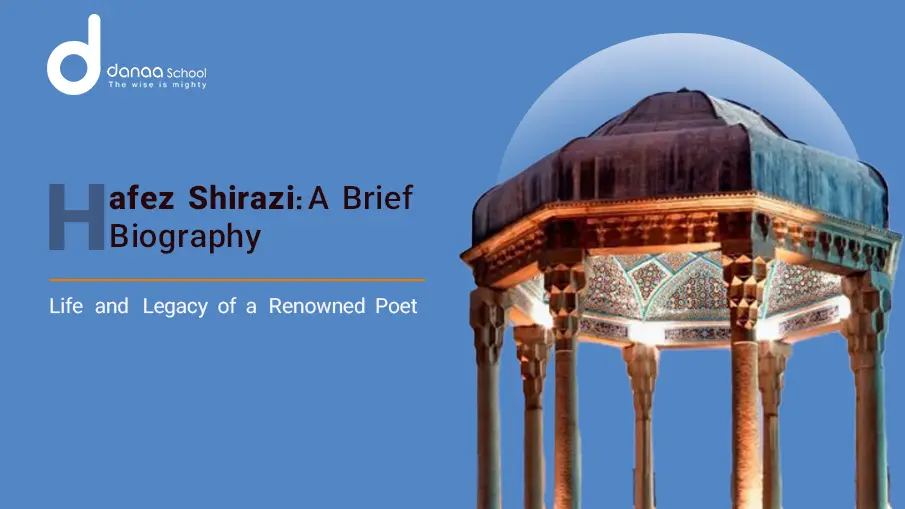
Who is Hafez Shirazi? If you’ve ever dipped your toes into Persian poetry, this name probably rings a bell. Known for his captivating verses that weave together love, mysticism, and the human experience, Hafez is a figure whose influence stretches far beyond his homeland of Iran. But what is it

What Is Fale Hafez and Its Meaning?

What Is Fale Hafez and Its Meaning?

Fale Hafez — What It Means, How to Do It, and 5 Ghazals with English Translation Fale Hafez (فال حافظ) is one of the most beloved traditions in Persian culture — a practice of opening Hafez’s Divan at random, reading the poem that appears, and reflecting on its meaning in

Hafez Shirazi Persian poet – symbolism, poetry, and Iranian cultural heritage

What Is Hafez Known For

Hafez, born Khwāja Shams-ud-Dīn Muḥammad Ḥāfeẓ-e Shīrāzī around 1315 in Shiraz, Iran, is a name synonymous with Persian poetry. His title, “Hafez,” signifies his memorization of the Quran, a common practice that reflects his deep engagement with spiritual and intellectual pursuits. His poetry, mainly composed of ghazals (lyrical poems), blends

Hafez Poetry Books - An Ultimate Guide

Hafez Poetry Books

Hafez, also known as Khwāja Shams-ud-Dīn Muḥammad Ḥāfeẓ-e Shīrāzī, is a giant in the world of Persian poetry. His work, renowned for its lyrical beauty and profound insights, has transcended time and culture, leaving a lasting imprint on literature globally. Born in the 14th century in Shiraz, Iran, Hafez poetry

Exploring the Timeless Dialogue Between Hafez and Goethe

Exploring the Timeless Dialogue Between Hafez and Goethe

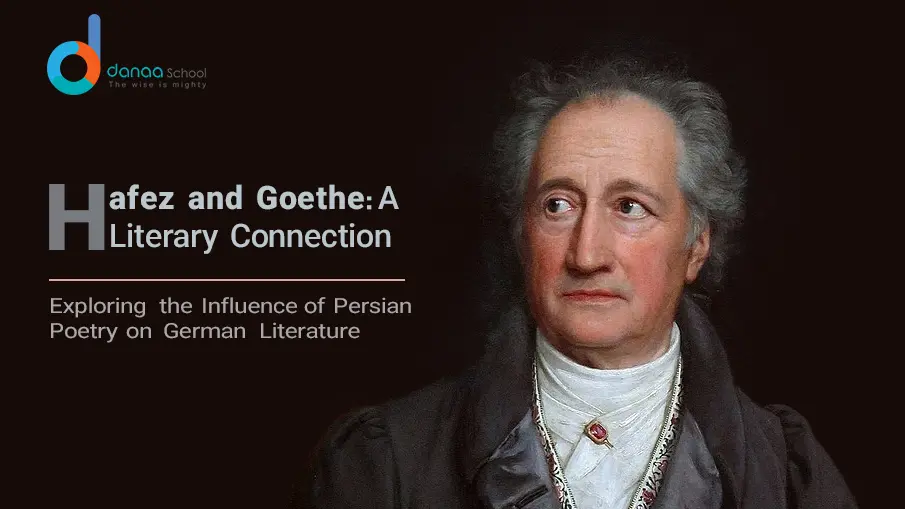
In the realm of literature, some dialogues transcend time and space, resonating across cultures and epochs. One such fascinating exchange is between Hafez, the revered Persian poet, and Johann Wolfgang von Goethe, the esteemed German literary figure. Though they lived centuries apart and hailed from vastly different cultures, their poetic

Rumi’s Most Beautiful Poems

Rumi’s Most Beautiful Poems

Rumi, the celebrated 13th-century Persian poet and mystic, has left an indelible mark on the world with his profound poetry. His words, deeply rooted in spirituality and universal love, continue to resonate across cultures and generations. In this exploration of Rumi’s most beautiful poems, we’ll uncover the timeless wisdom woven

farsi classes for kids

The Advantages of Learning Persian for Multilingual Families

In This Article What the research says about heritage language attrition — and when it starts The difference between home exposure and structured learning for Persian children What works by age group: toddlers, primary age, pre-teens, and teenagers The five most common mistakes diaspora parents make — and the fix

Welcome to Your Journey

By clicking Become a Tutor or Start Learning, 

you agree to Danaa School Terms of Use and Privacy Policy.